How to Build a Job Interview Outfit from Clothes You Already Own
· Editorial team chicagonewsmark.com
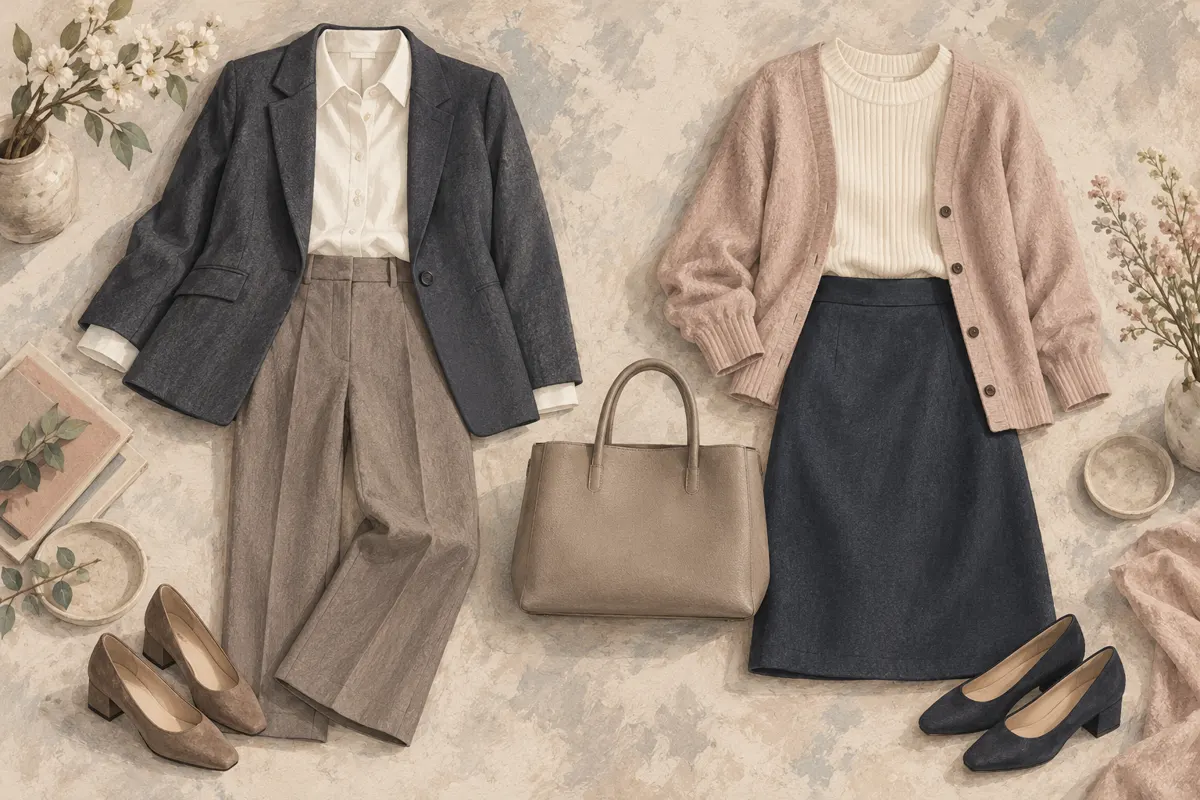
Build your interview outfit around the neatest, best-fitting clothes you already own: trousers, a skirt, or a simple dress, paired with a clean top and comfortable shoes. Check the employer’s dress expectations, assemble two complete options, and try them on before choosing. You may only need to wash, press, or recombine pieces to make them ready.
Find out how formal the office is
Start with the interview invitation and any clothing guidance from the recruiter. If the wording is unclear, ask: “Is there a dress code you recommend for the interview?” That gives you a practical starting point when you are moving from a casual workplace into an office role.
If you look at the employer’s website, distinguish everyday staff photos from formal events or promotional portraits. Use those images as clues, not a guarantee of what interviewers expect. Our proposed approach is to choose a slightly more polished version of the office clothing you can identify.
- For a formal dress code, start with a suit or your most coordinated jacket-and-trouser or jacket-and-skirt combination.
- For business casual, consider tailored trousers with a button-up shirt, blouse, or fine-knit sweater.
- For a casual office, propose a neat outfit built from structured separates; check before relying on jeans or sneakers.
Pull a small selection from your wardrobe
Avoid trying on everything you own. Pull a few pieces that fit comfortably today and are in good condition. Include clothes you wear outside work: trousers reserved for dinners, a simple occasion dress, or a cardigan may give you more options than your usual workwear.
- Two possible bases: trousers, a skirt, or a simple dress.
- Two tops that sit smoothly under a layer and provide the coverage you want.
- One or two finishing layers: a blazer, cardigan, or neat sweater.
- Comfortable shoes in good condition and a bag that holds your essentials.
Use colors that already work together. Navy, gray, black, cream, and brown are possible starting points, but you do not need an all-neutral outfit. The supplied style article suggests adding personality through a patterned blouse or scarf. If that appeals to you, choose one accent from your wardrobe and keep the surrounding pieces simple.
Assemble two complete outfit options
These are proposed combinations to adapt to your clothes and the employer’s guidance. Build each outfit all the way down to shoes, socks or hosiery if worn, and your bag. A complete backup makes a last-minute stain or weather change easier to handle.
- Make a more formal option. Pair your smartest trousers or skirt with a plain shirt or blouse and a coordinating jacket. If you own a suitable dress, try it with the jacket instead.
- Make a business-casual option. Use neat trousers or a skirt with a fine-knit sweater, button-up shirt, or blouse. Add a cardigan or blazer if it improves the fit and overall finish.
- Choose shoes you can comfortably walk and stand in. Try loafers, flats, boots, or dress shoes you already own, according to the outfit and dress expectations.
- Compare both outfits against the interview guidance. Keep the second one ready as a backup.
If you lack a jacket, see whether your best shirt and trousers make a tidy combination for a business-casual setting. If a suit is explicitly requested and you do not own one, borrowing a suitable outfit is an option before buying.
Check fit while sitting and moving
Try on the entire outfit, including the underlayers and shoes you intend to wear. Standing in front of a mirror is only the first check. Sit as you would during the interview, walk across the room, and reach forward as if picking up your bag.
- Check whether shirt buttons pull or gaps appear when you sit.
- Make sure waistbands, sleeves, and collars feel comfortable.
- Look at skirt or dress coverage while seated and trouser hems with shoes on.
- Check whether a top becomes sheer in brighter light.
- Swap anything that needs repeated tugging or adjustment.
For a video interview, also check the outfit through your camera while seated. Look for distracting patterns, a collar that folds awkwardly, or jewelry that makes noise when you move.
Prepare the outfit the day before
Wash or freshen garments according to their care labels, then press or steam them if appropriate. Remove lint, inspect buttons and seams, and clean your shoes. Allow enough time for everything to dry.
Lay out the complete outfit and backup, pack your interview essentials, and choose an outer layer suitable for the journey. Keep grooming familiar and manageable. The goal is an outfit that meets the setting, feels comfortable, and lets you give your attention to the conversation.